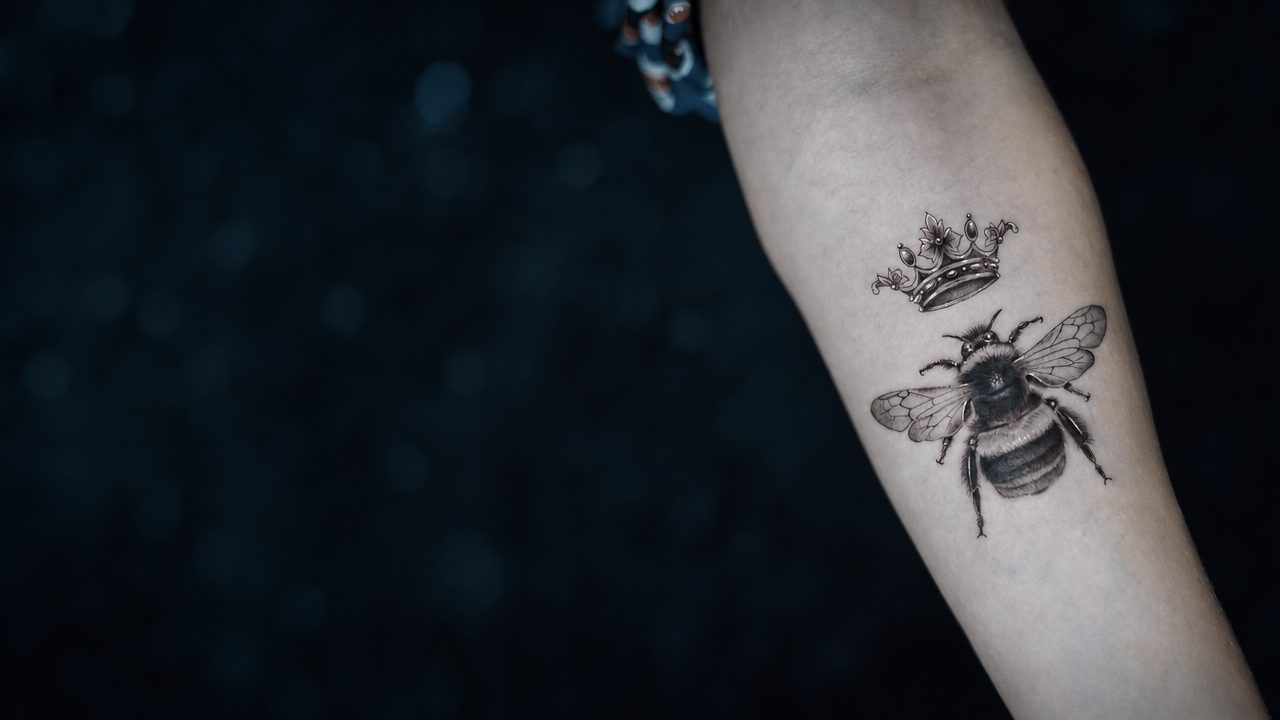
Portrait Tattooing
Portrait Tattoos With Careful Reference
Send the image you are considering. Get a Free Estimate
Portrait Tattooing
Send the image you are considering. Get a Free Estimate
Portrait tattoos ask a lot from both the reference and the tattoo design. Recognition often depends on small relationships between the eyes, nose, mouth, face shape, lighting, and expression. Starting with a clear image gives us more reliable information to work from. A blurry or heavily filtered photo may hide the exact details that make the person recognizable.
At Ridgewood Tattoo, we review the available references before deciding on size and placement. If you have several photographs of the same person, send them. One image may have the expression you love while another shows facial structure more clearly. We can discuss which source is strongest and whether certain elements should be adjusted to make a more effective tattoo.
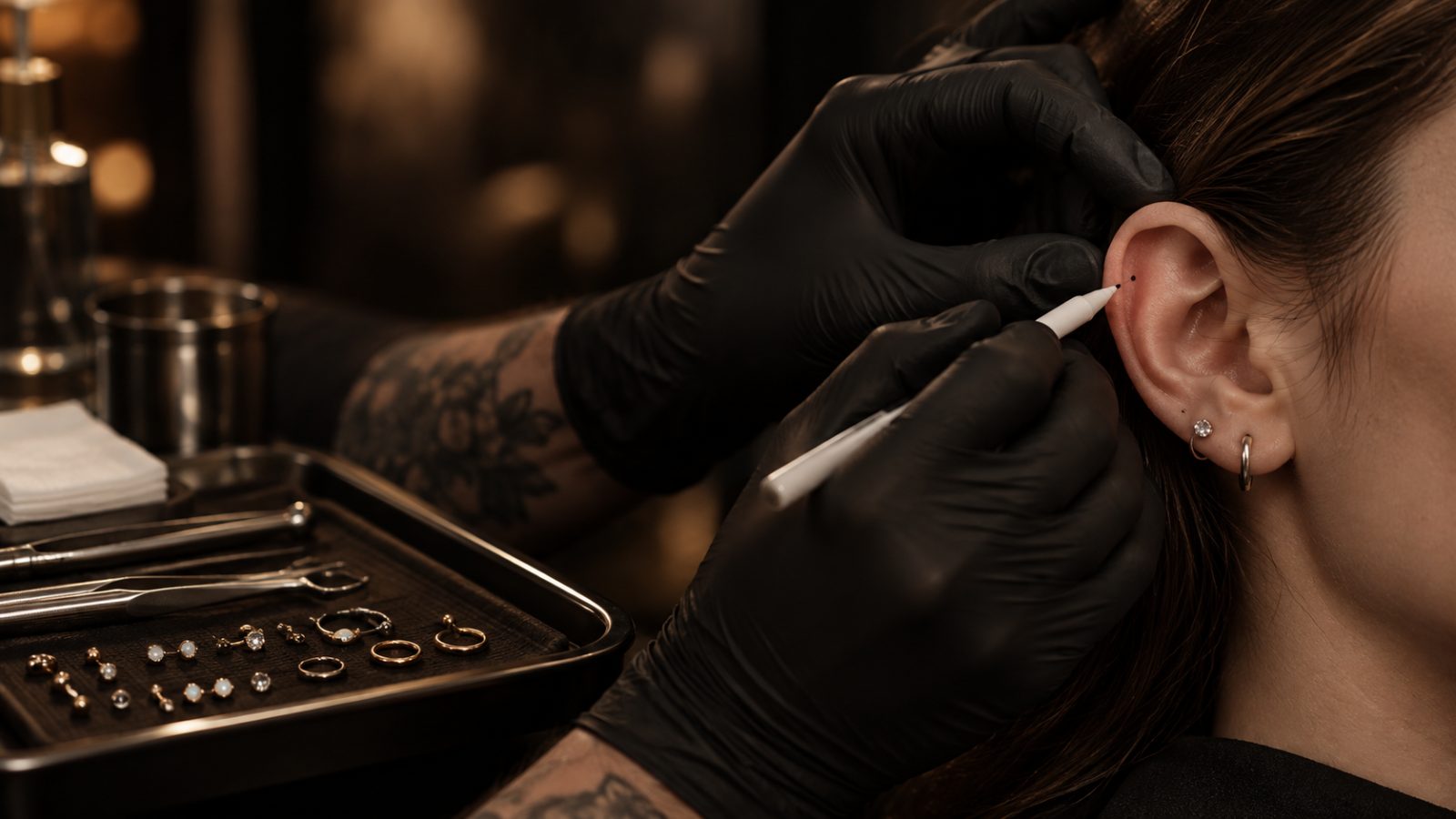
Portraits are not simply photographs transferred to skin. The image needs to be translated into a tattoo with enough contrast and enough physical space for the important features. Very small portraits can limit how accurately subtle proportions and expressions can be represented, so we may recommend increasing the size when the reference contains more information than the requested area can comfortably hold. Lighting is another major factor. A photograph with clear light and shadow often gives stronger structural information than a flat, dim, or overexposed image. That does not mean the source needs to be professionally shot. It means we need to be able to understand the face. For memorial portraits or situations where only a few photographs exist, we will work with the best material available and explain where limitations may affect the design. Portrait tattoos may be realistic, softer black and grey, stylized, or integrated into a larger composition. Surrounding elements can add context, but they should not distract from the face. Florals, lettering, meaningful objects, architectural references, frames, or abstract background shapes may work when they support the main subject. Placement is chosen with the same care as the reference. Areas with enough usable space generally allow the facial features to remain more stable and readable. We will talk through orientation, scale, and how the portrait sits when the body is in a natural position rather than only when the skin is stretched flat.
When the tattoo honors someone important, we approach the available references carefully and focus on the features that make the person immediately recognizable to you.
Clear reference images help us understand proportion, expression, lighting, and facial structure before translating the image into tattoo form.
Animals have their own recognizable proportions and expressions. Good references help capture coat pattern, face shape, ears, eyes, and other identifying features.
Background or symbolic elements can be added when they support the story of the piece without overwhelming the portrait itself.
| Service | Estimated Cost | Average |
|---|---|---|
| Simple portrait tattoo | $400-$800 | About $600 |
| Detailed portrait tattoo | $700-$1,500 | About $1,100 |
| Large portrait composition | $1,200-$3,000+ | Varies by project |
These are broad planning ranges rather than quotes. Final cost depends on size, placement, reference quality, complexity, surrounding elements, and session time.
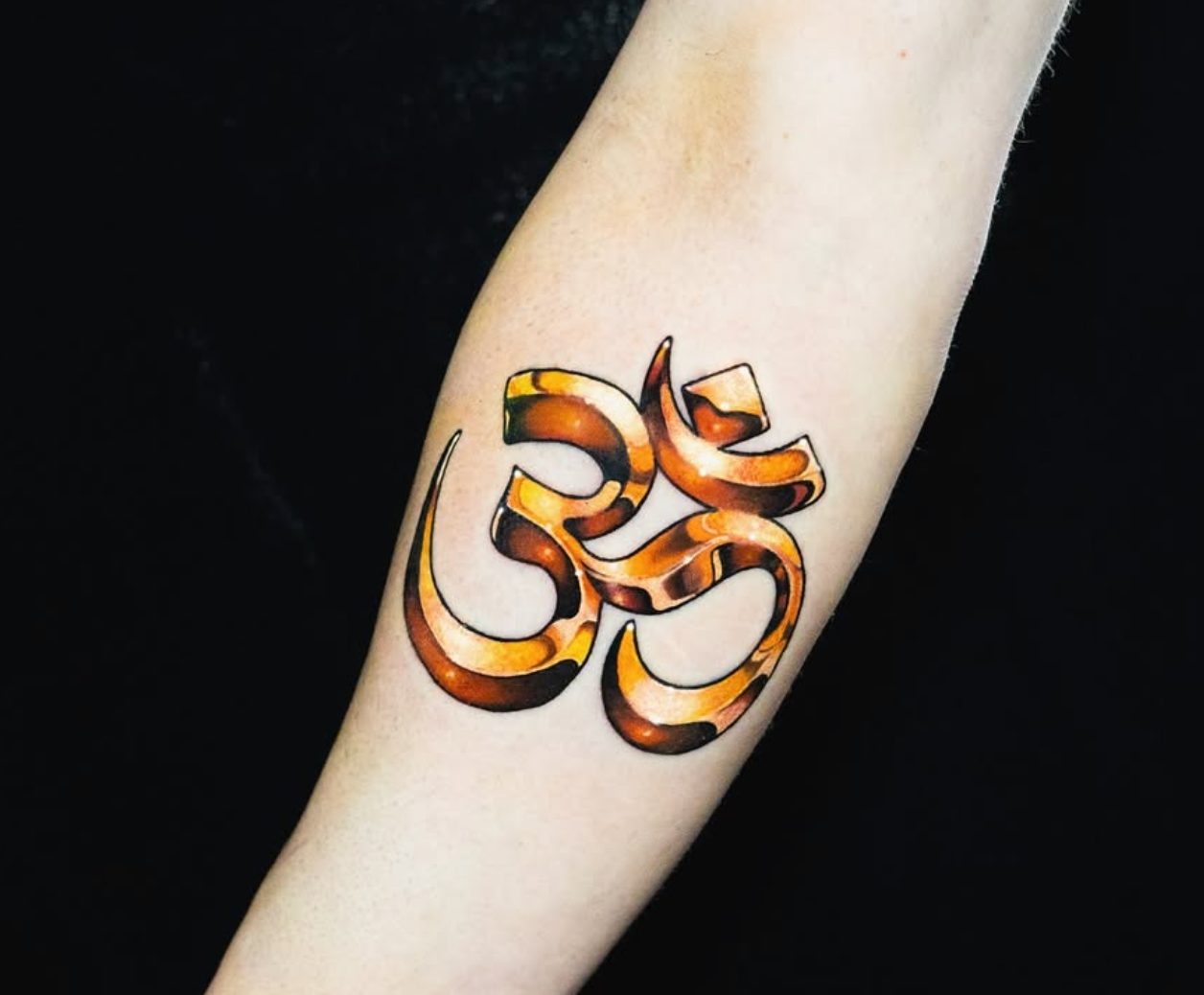
We would rather identify problems with a source image before the appointment than discover them after the design process is underway.
We recommend enough room for the important facial relationships instead of forcing a detailed portrait into a size that cannot support it.
When other imagery is included, the portrait remains the visual priority.
If the only available reference is difficult to work from, we discuss what can reasonably be translated instead of promising detail the image does not contain.
For portrait work, send the clearest reference images you have along with placement and approximate size.
Free — no obligations
Provide the clearest images you have, even if one photo is your favorite.
We review expression, lighting, resolution, and structure to identify the best starting point.
The portrait is given enough room for its important features and positioned for natural viewing.
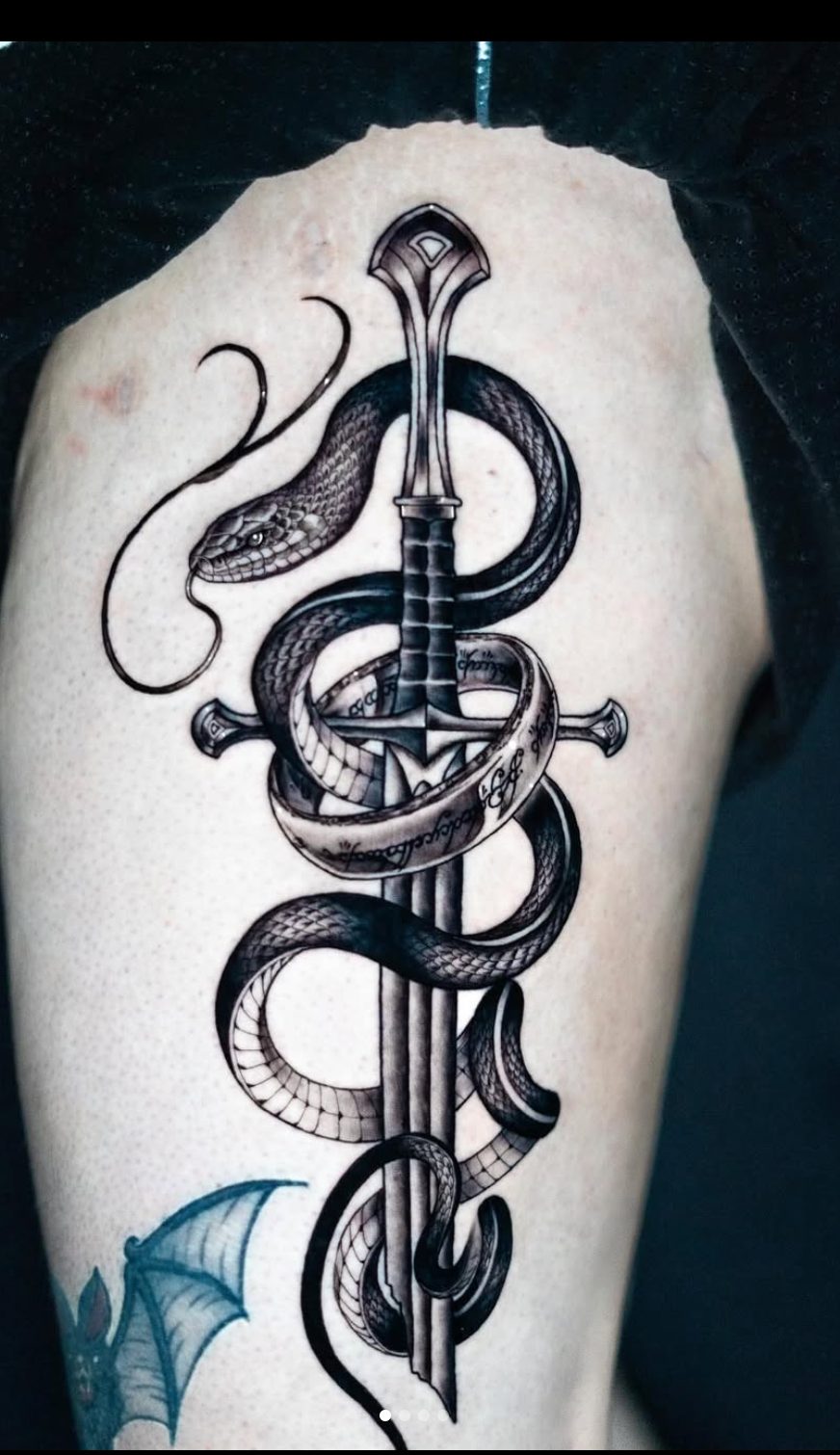
Any lettering, florals, frames, objects, or background elements are arranged around the portrait rather than competing with it.
Depending on size and complexity, the work may be completed in one session or broken into stages.