Black And Grey Tattooing
Black And Grey Tattoos With Depth
Share your idea and references. Get a Free Estimate
Black And Grey Tattooing
Share your idea and references. Get a Free Estimate
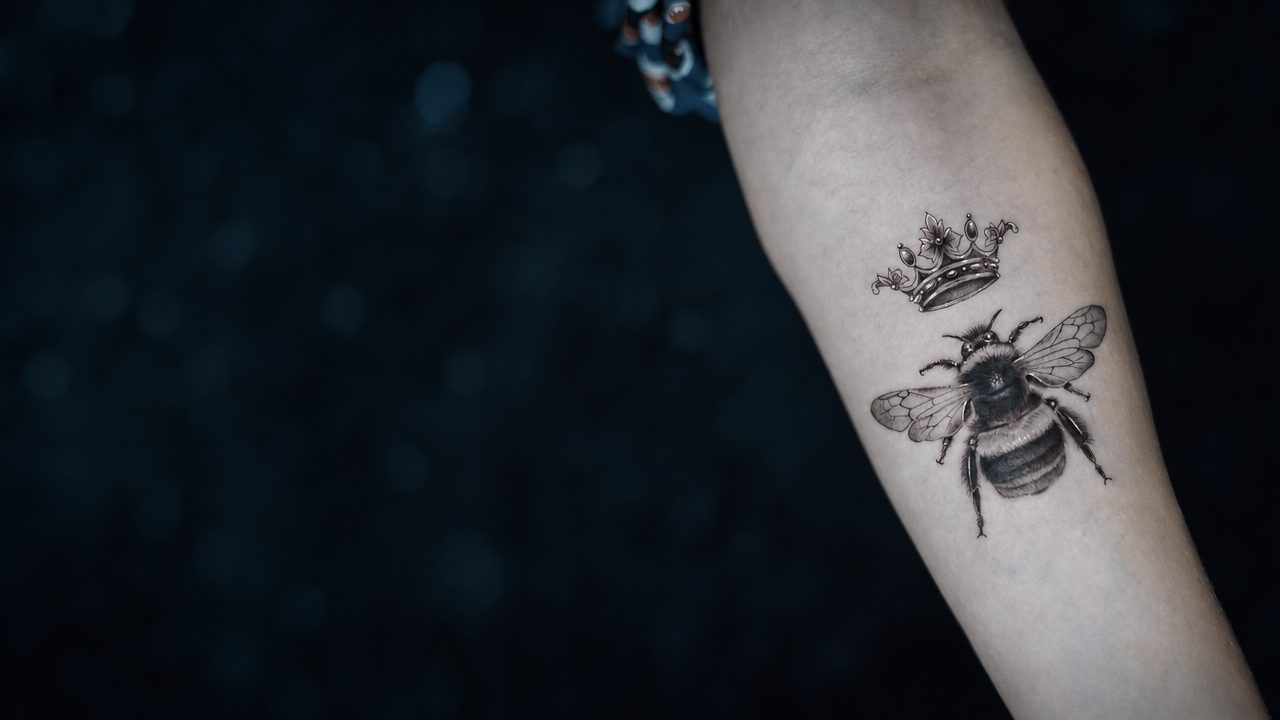
Black and grey tattooing can be soft and atmospheric, dark and dramatic, or somewhere between the two. What matters most is having enough contrast and structure for the image to read on skin. At Ridgewood Tattoo, we plan black and grey pieces around the subject, placement, available space, and the balance between dark values, midtones, and open skin. That foundation matters whether the tattoo is a small illustrative piece or a much larger composition.
If you bring reference images, we use them to understand the mood and visual direction rather than automatically duplicating every detail. A photograph, painting, sculpture, film still, or existing tattoo can all be useful starting points. We then consider what needs to be simplified, emphasized, or repositioned so the final piece functions as a tattoo.
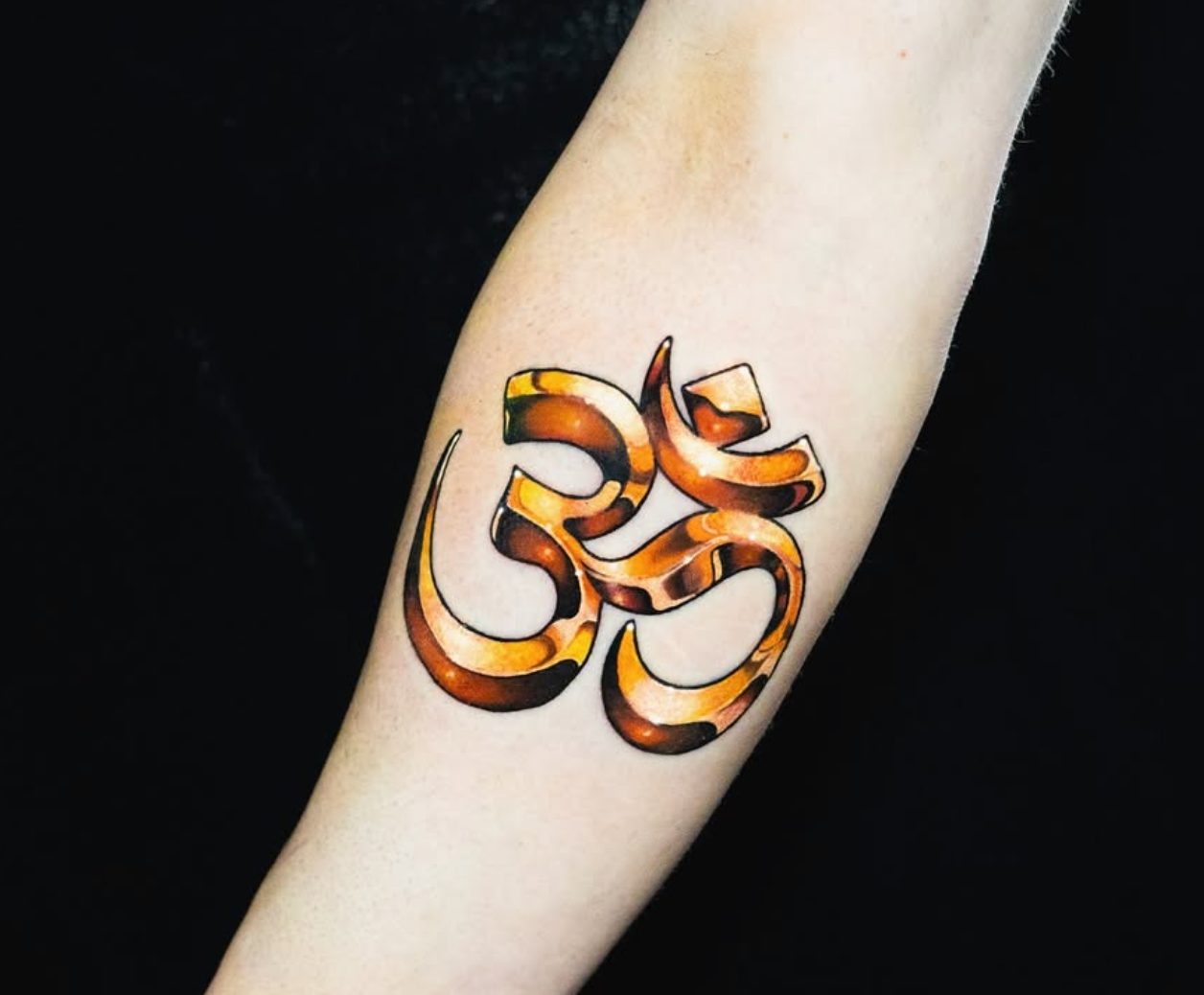
Black and grey tattooing depends heavily on value structure. Without enough separation between light and dark areas, details that look impressive on a screen can flatten once translated to skin. We look at the composition first, decide which features need the strongest contrast, and then build secondary detail around them. Placement also changes how much information a design can comfortably hold. A broad shoulder or thigh allows different decisions than a narrow forearm or calf. We will talk through these limits before finalizing the direction. The style can support many subjects, including botanical work, animals, religious or symbolic imagery, architecture, surreal compositions, ornamental elements, and realistic subjects. The approach does not have to be photo-realistic. Some black and grey tattoos benefit from softer illustrative edges, graphic shadows, or a combination of fine and heavier marks. We choose those decisions according to the image rather than forcing every concept into the same formula. For existing collections, we also consider the tattoos already around the area. A new piece may need stronger blacks, a quieter background, or a slightly different scale to sit comfortably beside older work. If you are starting a larger project, we can think ahead about future pieces so the first tattoo does not make later placement unnecessarily difficult.
We use tonal range to create separation between focal points and supporting details. The goal is not simply to make the tattoo dark; it is to place darker values where they improve depth and readability.
References help communicate subject, lighting, pose, texture, and mood. We may combine several references or simplify one source so the finished tattoo feels cohesive and suitable for the chosen size.
Curved and moving parts of the body affect composition. We adjust orientation and proportions so the tattoo sits naturally when viewed from normal angles rather than only looking correct in a flat sketch.
Larger work gives us more room for layered backgrounds, transitions, and detailed focal subjects. These projects may be divided into multiple sessions so each stage can be approached carefully.
| Service | Estimated Cost | Average |
|---|---|---|
| Small black and grey tattoo | $150-$350 | About $250 |
| Medium black and grey tattoo | $350-$800 | About $575 |
| Large or multi-session piece | $800-$2,500+ | Varies by project |
These are broad planning ranges, not quotes. Final pricing depends on size, placement, detail, artist time, and whether the tattoo requires multiple sessions.
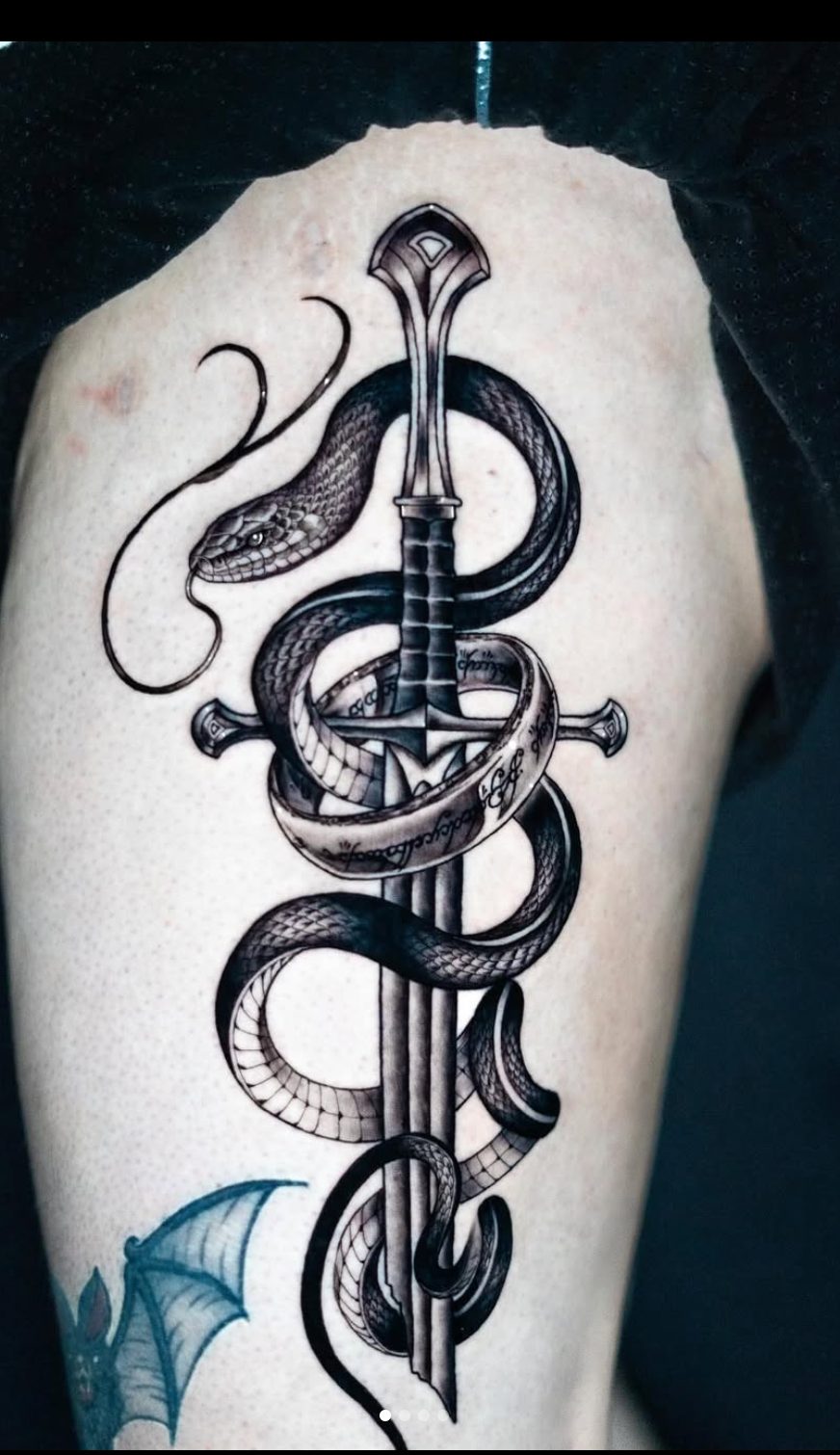
We prioritize a readable value structure before adding small details, helping the main subject stay clear.
We use source material to understand the direction, then adjust it for scale, placement, and the realities of tattooing.
For bigger compositions, we consider how focal points, transitions, and future sessions will work together.
If a design contains more information than the requested size can hold well, we explain the tradeoff and suggest options.
Tell us the subject, placement, size, and kind of black and grey look you are after.
Free — no obligations
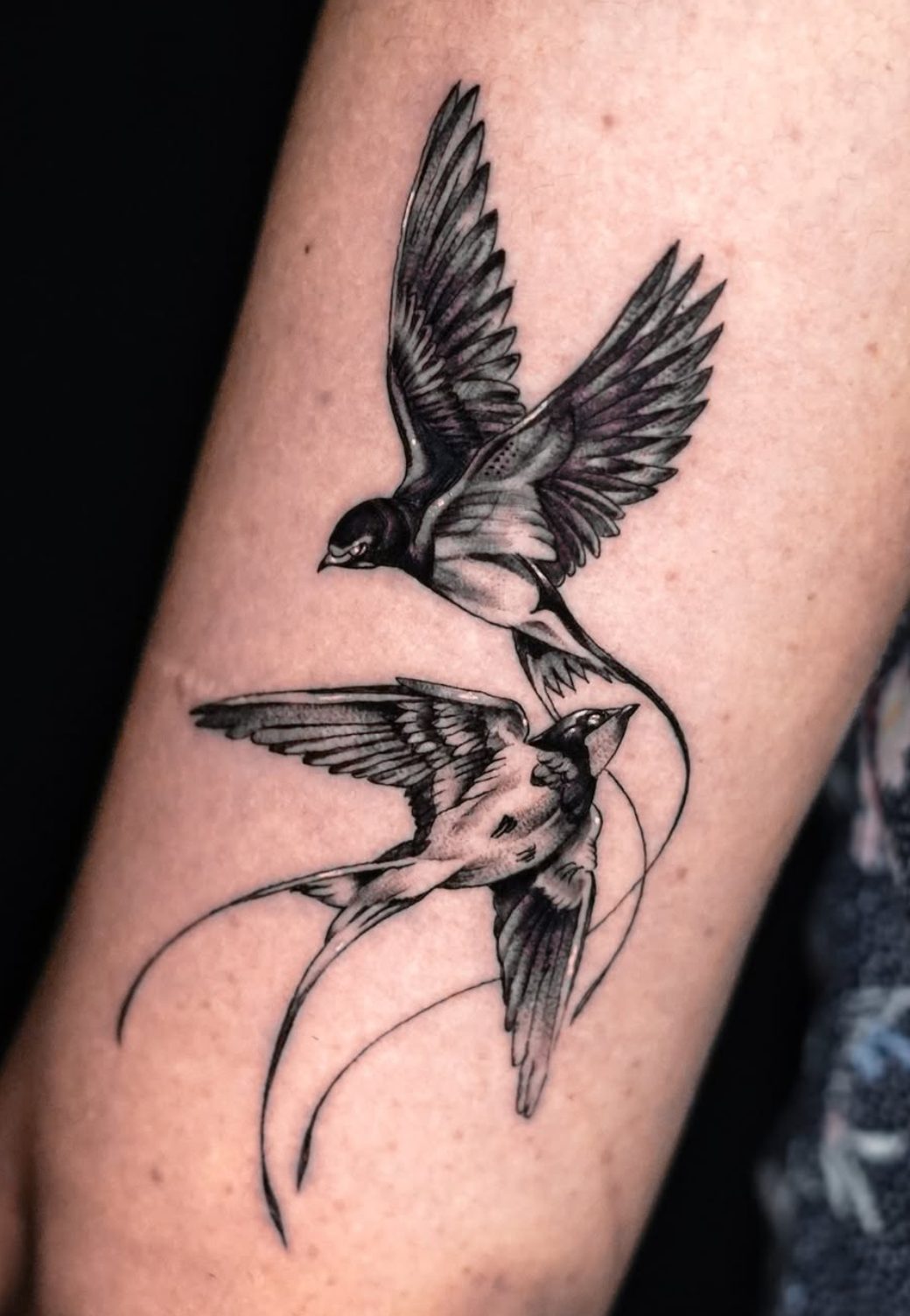
Send the subject, approximate size, placement, and a few useful references.
We discuss realism, illustration, contrast, background treatment, and how much detail fits the available space.
The composition is adjusted around the shape and movement of the chosen placement.
Smaller work may be completed in one session, while larger pieces can be broken into a practical sequence.
We explain how to care for the tattoo while it settles and what normal early healing generally looks like.